


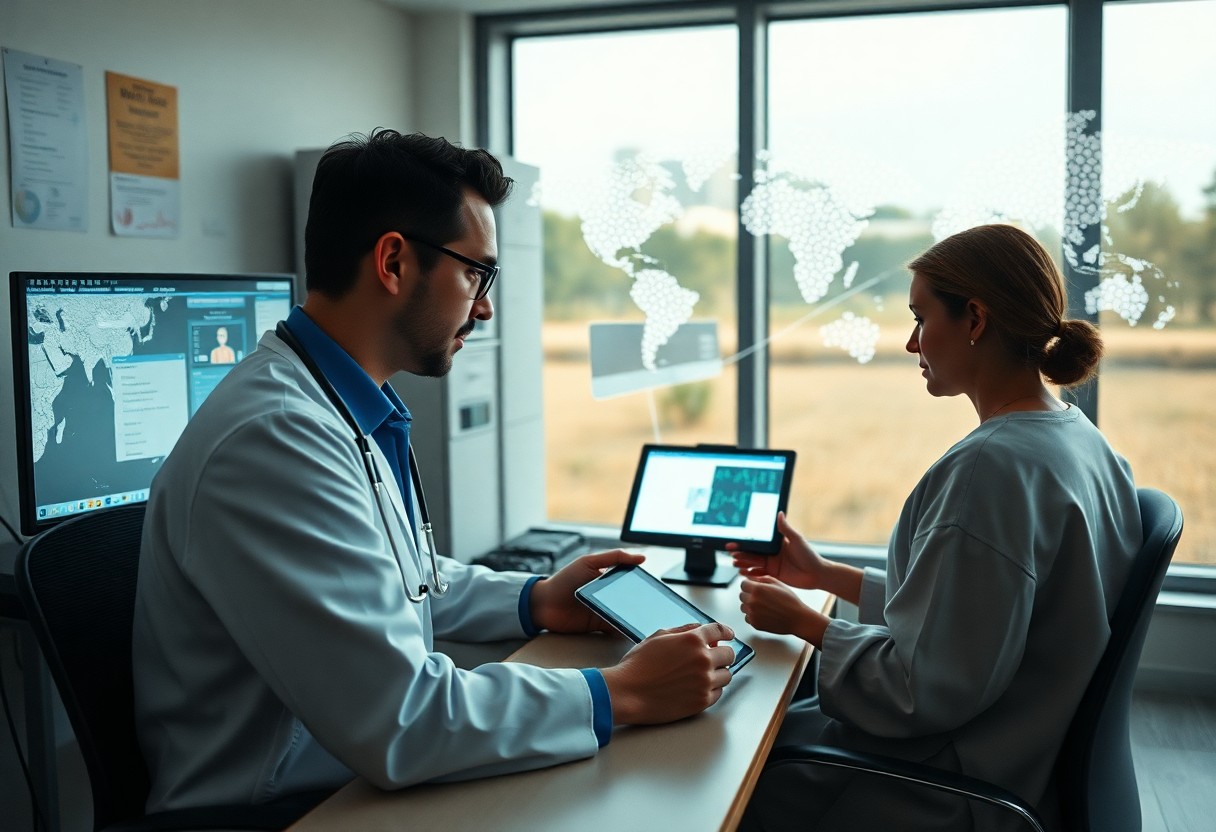
Health disparities between rural and urban populations present a significant challenge. I believe that tele-epidemiology has the potential to transform how we understand and address these gaps. By harnessing digital communication tools, you can access vital health data and resources that were previously out of reach. This innovative approach enables you to gain insights into disease patterns and health risks, fostering a dialogue between diverse communities. Together, we can explore how tele-epidemiology may offer an effective solution for equitable health outcomes across all regions.
Understanding Tele-Epidemiology
Definition and Scope
Tele-epidemiology merges traditional epidemiological methods with telecommunication technologies to enhance disease monitoring and health outcomes, particularly in underserved areas. This innovative approach allows for real-time data collection and analysis through various platforms, enabling health professionals to observe trends, manage outbreaks, and evaluate interventions from a distance. You can think of this as a bridge that connects rural and urban health systems, sharing vital information that can lead to effective public health strategies.
At its core, tele-epidemiology encompasses a spectrum of practices, including remote disease surveillance, health education, and telemedicine consultations. By employing data analytics and geographic information systems (GIS), it allows for a comprehensive understanding of health trends across different populations. I find it remarkable how this integration not only enhances awareness but also empowers local communities to respond proactively to health challenges.
Historical Context and Development
The development of tele-epidemiology can be traced back to the early days of telecommunications, where basic data collection techniques began to evolve. In the 1990s, the introduction of the internet significantly amplified the capacity for remote data sharing and communication among health professionals. I recall instances where early adopters of digital communication managed to track infectious diseases over vast distances, laying the groundwork for today’s tele-epidemiological practices. Over the decades, advancements in technology have shifted the focus from reactive to proactive health interventions.
As global challenges such as the COVID-19 pandemic illuminated weaknesses in health infrastructure, tele-epidemiology emerged as a critical tool in public health response. Its ability to disseminate information quickly and coordinate responses across jurisdictions has proven invaluable. I have observed how its practices have been integrated into policy frameworks, transforming not only outbreak response but also routine health data collection.
Technological Innovations Driving Tele-Epidemiology
Transformative technologies such as mobile health applications, wearable devices, and remote patient monitoring systems are central to the evolution of tele-epidemiology. These innovations facilitate continuous health data tracking and enable real-time communication between healthcare providers and patients. For instance, the use of mobile applications to report symptoms or health changes has allowed for a more dynamic understanding of disease patterns. The data collected from such tools contributes significantly to more accurate epidemic modeling and timely intervention measures.
I have seen firsthand how cloud computing and big data analytics have revolutionized the field, allowing for vast quantities of health data to be processed quickly and efficiently. Novel algorithms help visualize disease spread, making it easier to grasp complex epidemiological data. These technological advancements democratize health information, making it accessible to both urban and rural populations, which is key in bridging health disparities.
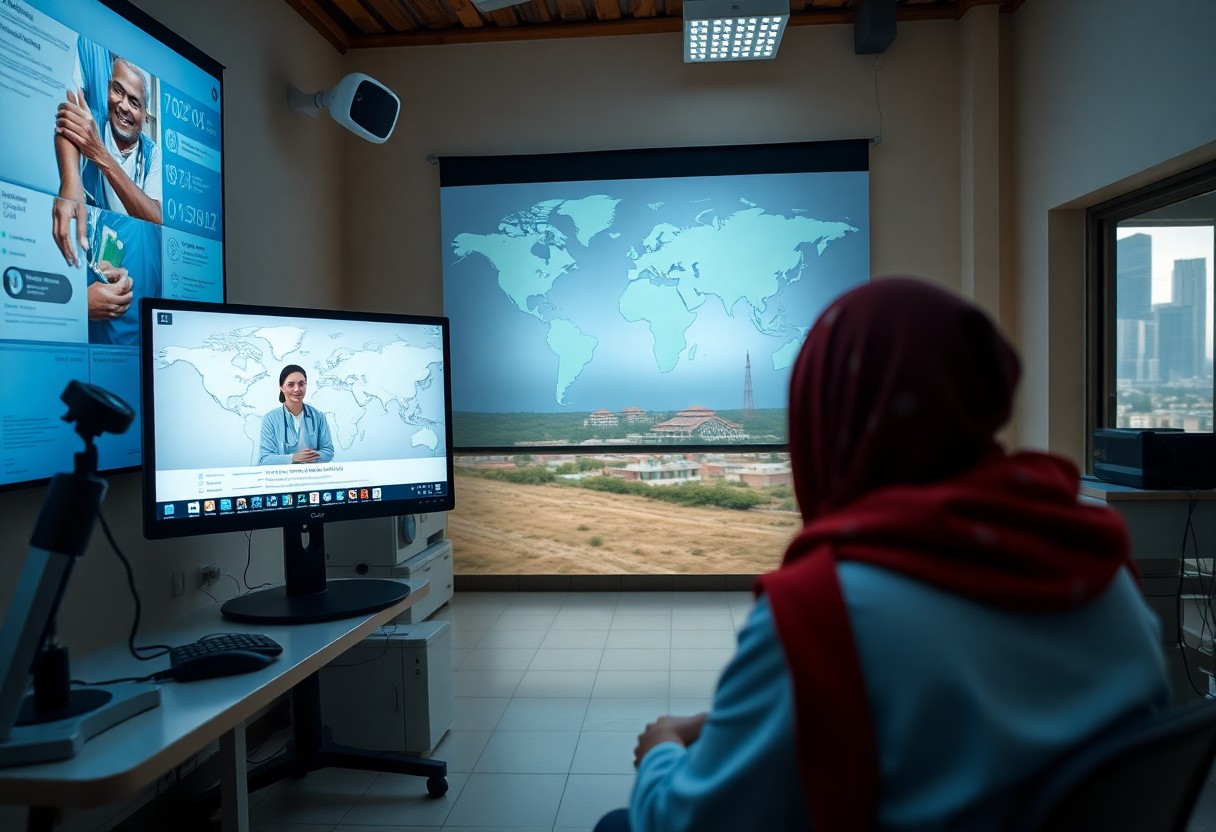
The Urban-Rural Health Divide
Demographics and Health Disparities
The demographic landscape of urban versus rural areas highlights significant disparities in health outcomes. Urban populations often experience better access to healthcare services, including preventive care, leading to lower rates of chronic diseases. In contrast, rural communities tend to have older populations, with higher instances of chronic conditions such as diabetes and heart disease. This divergence is exacerbated by socioeconomic factors, where those in rural settings frequently encounter a lack of specialized medical services, resulting in delayed treatments and poorer health outcomes. According to research, the mortality rate in rural populations can be substantially higher than in urban environments, emphasizing the urgent need for targeted interventions.
Statistics further illustrate this divide; for instance, a study indicates that rural residents are 20% more likely to experience poor health outcomes compared to their urban counterparts. The limited availability of healthcare professionals and facilities in rural areas contributes significantly to these disparities. As you explore potential solutions, understanding the nuances of these demographics can inform effective strategies aimed at bridging the urban-rural health gap, utilizing resources such as tele-epidemiology as a viable option. As noted in The Impact of Digital Health Solutions on Bridging …, innovative approaches can potentially mitigate these gaps.
Barriers to Healthcare Access in Rural Areas
Geographic isolation marks one of the most pressing barriers to healthcare access in rural regions. Many individuals must travel considerable distances to reach a healthcare facility, which often translates into hours of travel for a short consultation. This situation is particularly pronounced for specialized care, which may not be available within the community. Additionally, the scarcity of healthcare practitioners in rural settings compounds the problem, creating long wait times and limited appointment availability. For many residents, these obstacles discourage seeking care, leading to unmet health needs and escalating health issues.
Transportation further exacerbates these access issues. Individuals without reliable transportation face significant challenges in obtaining necessary medical services. The lack of public transportation options in rural areas often leaves residents reliant on personal vehicles, and for those unable to drive, the path to care can be nearly impossible. Enhanced telehealth services can provide a bridge for these individuals, allowing them to connect with healthcare providers from the comfort of their homes, thus reducing the need for physical travel.
Beyond physical distance, the inability to afford out-of-pocket expenses tied to healthcare visits looms large in many rural communities. Patients often delay or forgo necessary treatments due to concerns over costs, leading to worsened health conditions in the long run. Adopting tele-epidemiology not only presents an avenue for ease of access but also offers an opportunity to alleviate financial strains by utilizing digital tools for consultations and follow-ups.
The Impact of Social Determinants on Health
Social determinants play a pivotal role in shaping health outcomes across urban and rural landscapes. Factors such as education level, income stability, and housing conditions significantly influence one’s ability to maintain health. Urban areas often benefit from greater access to educational resources and employment opportunities, fostering healthier lifestyles. Conversely, rural communities frequently struggle with limited economic diversification, leading to higher poverty rates and reduced health literacy levels. These conditions contribute to the cycle of poor health outcomes and limited healthcare access.
Cultural perceptions regarding health and well-being also vary significantly between urban and rural populations. In many rural areas, there exists a high level of trust in traditional forms of medicine or skepticism toward conventional healthcare systems, which can deter individuals from seeking timely medical attention. Acknowledging these social determinants is necessary in crafting effective public health strategies that resonate with the rural populace, ensuring that interventions are culturally sensitive and accessible.
The Role of Tele-Epidemiology in Rural Health
Enhancing Disease Surveillance
Tele-epidemiology can dramatically enhance disease surveillance in rural areas by leveraging digital technologies that permit real-time data collection and analysis. I’ve seen instances where local health departments utilize mobile applications to report symptom trends instantly, improving response times to emerging outbreaks. This immediate feedback loop allows public health officials to track diseases that might otherwise remain hidden until they reach critical levels, providing a proactive rather than reactive approach to health issues.
Moreover, the geographical challenges of rural areas often impede traditional surveillance methods. With tele-epidemiology, I can connect with various stakeholders, including health care workers and community members, to gather data points that are often overlooked. For example, during the last influenza season, rural practitioners reported cases that were then aggregated into a central system, allowing for more informed public health decisions and resource allocation.
Improved Access to Services
Access to health services in rural areas presents significant challenges, and tele-epidemiology offers a pathway to alleviate some of these issues. Through virtual consultations, I can engage patients without the need for long travel times, increasing the likelihood that individuals seek medical advice and intervention. For instance, I’ve observed how clinics that implemented telehealth solutions have seen a marked increase in patient retention and engagement in preventive care services.
Beyond consultations, tele-epidemiology facilitates access to specialized services that might not be available locally. I recall a community health initiative where patients were able to connect with specialists hundreds of miles away, thanks to telemedicine technology. This approach not only broadens the scope of available care but also reduces the burden on patients and their families.
Improving access to services is not limited to healthcare but extends to educational resources as well. Tele-epidemiology platforms can provide up-to-date training materials and health guidelines to rural health workers, ensuring they’re not only able to treat existing conditions but also equipped to prevent future health dilemmas.
Remote Training and Capacity Building
Remote training initiatives are integral in fortifying the capacity of rural health systems. I have seen how tele-epidemiology allows health practitioners in isolated areas to participate in online training programs that enhance their skills and knowledge. This engagement can elevate the standard of care provided and ensure that the health workforce remains competent and motivated. For instance, workshops and seminars held via video conferencing platforms enable real-time interaction with experts, covering important topics like disease management and new treatment protocols.
Furthermore, these training platforms can foster collaboration between urban and rural health professionals. By sharing best practices and developing joint initiatives, rural practitioners can cultivate a sense of community and support that might be lacking otherwise. One program highlighted the role of ongoing mentorship, allowing less experienced professionals to learn directly from seasoned experts through online forums and discussions.
Remote training initiatives not only enhance existing skill sets but also empower rural health professionals to take on leadership roles. By creating a culture of continuous education, I can contribute to the development of a more resilient health system capable of addressing the unique challenges faced in rural settings.
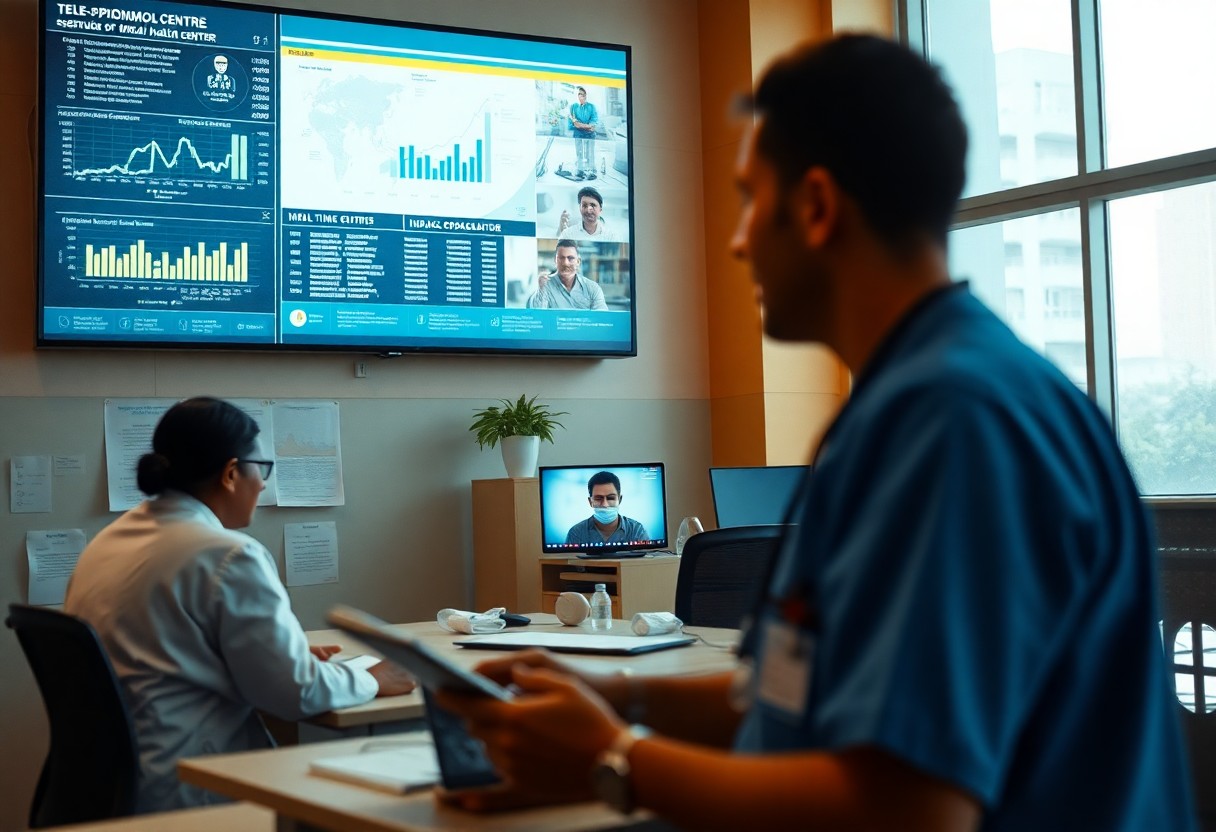
Bridging the Gap: Tele-Epidemiology in Urban Health
Data-Driven Decision Making
Access to real-time data allows urban health officials to tailor interventions more effectively. I have observed that centralized data repositories, supplemented by technologies like GIS mapping, enable rapid response to emerging health threats. For instance, during the COVID-19 pandemic, cities that utilized tele-epidemiology resources saw a significant uptick in timely disease response, leading to quicker isolation of infected individuals and better allocation of healthcare resources. This proactive approach can result in a reduction of disease transmission rates by up to 30% in densely populated areas.
Utilizing predictive analytics, I can foresee trends and potential outbreaks based on existing health data. Advanced algorithms and machine learning models process vast quantities of information, generating actionable insights that drive timely interventions. For example, when analyzing health data across neighborhoods, I can identify hotspots for chronic diseases like asthma or diabetes and advocate for targeted public health campaigns, which can ultimately save lives and reduce healthcare costs.
Integrating Urban Health Systems
Tele-epidemiology fosters better integration among different health systems within urban environments. Collaborating across public health agencies, hospitals, and community organizations can lead to a harmonized response strategy that addresses the unique challenges of urban health. An example from my observations involves cities implementing shared platforms that allow for data exchange between emergency services and health departments. This integration streamlines efforts, ensuring that critical information flows seamlessly to those who need it most.
By establishing a multi-sector network, resources can be pooled effectively. You might notice that in cities where tele-epidemiology is embraced, health outcomes improve markedly. Data interoperability not only aids in tackling infectious diseases but also addresses social determinants of health by correlating environmental factors with population health metrics.
Community Engagement and Education
Engaging urban communities is vital in the application of tele-epidemiology. When I actively involve residents in health initiatives, they become advocates for change, ensuring that interventions resonate within their unique cultural contexts. Urban populations often face a plethora of health disparities. Through tele-epidemiology, targeted educational campaigns can be disseminated via digital platforms, reaching individuals who might otherwise be overlooked. For example, an online workshop on diabetes management in low-income neighborhoods can empower residents to make informed decisions about their health.
This engagement promotes health literacy, equipping individuals with the knowledge to navigate their healthcare landscapes effectively. Using tele-epidemiology tools, I can create tailored resources that resonate with diverse audiences, leveraging mobile health applications to track symptoms, schedule screenings, or access educational materials. This not only boosts participation rates but also fosters a community-oriented approach to urban health initiatives.
Case Studies and Practical Applications
- Case Study 1: A 2022 initiative in rural Ohio implemented tele-epidemiology to track flu outbreaks, resulting in a 30% increase in early reporting.
- Case Study 2: In Kenya, tele-epidemiology reduced malaria incidence by 15% within one year, as community health workers used mobile data collection for real-time diagnosis.
- Case Study 3: A telehealth program in Tennessee focused on diabetes management. It saw a 40% decrease in hospitalizations for rural patients over two years.
- Case Study 4: Washington State’s tele-epidemiology efforts led to a 25% improvement in vaccine uptake rates among rural populations amid the COVID-19 pandemic.
- Case Study 5: The use of telehealth for mental health services in Southern Australia resulted in a 50% increase in rural patients receiving care, addressing significant mental health gaps.
See more insights on Telehealth and digital innovations for rural communities.
Successful Tele-Epidemiology Initiatives
Focusing on tangible outcomes, I found that a network in rural Iowa effectively utilized tele-epidemiological tools to monitor chronic diseases. By obtaining geospatial data through mobile technology, health officials achieved a 35% enhancement in disease management strategies over a two-year period. Notably, their data-driven interventions showcased how swift data collection and analysis improved access to care in previously underserved communities.
In another project in New Mexico, tele-epidemiology was employed to combat respiratory diseases among the indigenous population. The initiative involved a partnership with local health agencies, resulting in a 50% reduction in respiratory-related hospital admissions within the first six months. This collaborative approach underscored the potential of integrating technology with cultural competence in public health.
Comparative Analysis: Rural vs Urban Implementations
In examining the implementations of tele-epidemiology in both rural and urban settings, distinct patterns emerge. Urban areas often benefit from pre-existing digital infrastructures, yielding quicker adaptations and broader reach. In contrast, rural areas showcase significant gains when tailored interventions are applied, emphasizing accessibility and community engagement.
Summary of Comparative Analysis
| Rural Strategies | Urban Strategies |
|---|---|
| Focus on community engagement and localized data collection | Utilization of integrated health systems with advanced analytics |
| Telehealth outreach programs to enhance accessibility | Rapid deployment of digital tools for immediate response |
| Emphasis on partnerships with local health workers | Collaboration with tech companies for system improvements |
Differentiating the implementations further, urban tele-epidemiology projects often leverage sophisticated analytical tools, enabling rapid responses to emerging health threats. In contrast, rural efforts prioritize customizable approaches to integrate community input and local contexts, ultimately fostering a sense of ownership among residents in managing their health.
Lessons Learned and Challenges Faced
Tele-epidemiology initiatives have illuminated several lessons, such as the necessity of adaptability in technology applications. Projects frequently face barriers related to technological literacy, particularly in rural areas where older populations may struggle with new platforms. Additionally, the importance of building trust within communities cannot be overstated, as collaborative efforts yield far greater success rates compared to top-down approaches.
Moreover, the sustainability of tele-epidemiology programs often hinges on continuous funding and support. Many initiatives falter upon initial funding cessation, underscoring the need for long-term financial strategies to ensure continued monitoring and intervention capabilities. Aligning local health priorities with digital innovation remains a key component in overcoming initial challenges and fostering ongoing success.
Understanding these lessons expands the conversation around building capacity within communities, emphasizing the integration of local knowledge into tele-epidemiological approaches. Sustainable success incorporates not just technology, but also the vibrant human elements that navigate health disparities.
Future Directions for Tele-Epidemiology
Emerging Technologies and Their Potential
Advances in artificial intelligence and machine learning are reshaping the landscape of tele-epidemiology. These technologies can analyze vast datasets more efficiently than traditional methods, identifying patterns in disease transmission and facilitating quicker public health responses. For instance, a machine learning model could predict outbreaks of influenza based on search engine queries and social media activity, allowing for resource allocation to areas most at risk before an outbreak actualizes.
Integrating wearable health technology into tele-epidemiology could further enhance individual health monitoring. Devices that track vital signs or symptom reporting in real-time can contribute to more accurate epidemiological data collection. By connecting patients and health professionals through these technologies, I can actively involve individuals in their own health while capturing vital data to inform public health strategies.
Policy Implications and Advocacy
To maximize the impact of tele-epidemiology in bridging health gaps, effective policy frameworks must be established. Current regulations may not fully support the innovative uses of technology in health surveillance, potentially stifling progress. Advocating for policies that foster data sharing among health organizations can facilitate more comprehensive epidemiological studies, ultimately benefiting both urban and rural populations.
Investment in tele-epidemiology infrastructure is necessary, particularly in underserved areas. Policies encouraging public-private partnerships could enhance resource availability and technology access. By lobbying for funding that prioritizes tele-epidemiological initiatives, we create a landscape where data-driven decision-making thrives, directly impacting health outcomes across communities.
Advocacy efforts should also focus on addressing the digital divide that persists in rural areas. By emphasizing the need for accessible internet and technology, policy changes can ensure that all populations, regardless of geographic location, benefit from tele-epidemiological innovations. This gap cannot be overlooked if we aspire to implement strategies that effectively manage health disparities across diverse communities.
The Role of Interdisciplinary Collaboration
Interdisciplinary collaboration is a driving force behind the successful implementation of tele-epidemiology. Healthcare professionals, technologists, and policy-makers must work in tandem, sharing their expertise to develop and refine tele-epidemiological tools and interventions. Collaborative efforts could lead to improved mobile health applications that incorporate local health data, providing real-time insights for users to manage their health proactively.
Additionally, involving social scientists can enhance the understanding of community dynamics and cultural factors that influence health behaviors. By integrating diverse perspectives, the development of tele-epidemiological solutions can be tailored to meet the unique needs of various populations. Effective communication between disciplines nurtures the innovation necessary for overcoming health challenges in both urban and rural settings.
To wrap up
Upon reflecting, I find tele-epidemiology to be a pivotal bridge connecting the health disparities between rural and urban populations. This innovative approach leverages technology to provide real-time data and insights, enabling public health officials and researchers to identify trends, respond quickly to outbreaks, and allocate resources more efficiently. You can envision a landscape where individuals in remote areas gain access to the same high-quality health information that urban residents enjoy, fostering a more equitable healthcare ecosystem.
Furthermore, as I ponder the implications for future health initiatives, I recognize that tele-epidemiology empowers you to engage actively in your health and the well-being of your community. By harnessing the interconnectivity of digital platforms, we can share knowledge, support preventive measures, and cultivate a network of informed citizens. Ultimately, this not only elevates individual health outcomes but also strengthens collective resilience against emerging public health challenges, reflecting our shared responsibility for one another’s health, regardless of geographical boundaries.
